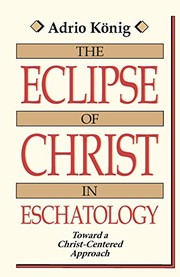
König argues that eschatology went wrong when it became a doctrine about last things instead of the doctrine of Christ, who is himself the end: for us, in us, and with us.
The books and voices shaping how I think, teach, and lead.

Scott Cormode writes in The Innovative Church, “Leaders don’t have followers, they have people entrusted to their care.” I remember reading that line and realizing someone had given language to something I was already trying to understand. It has stayed with me ever since.
Books have done that for me again and again. Some give language to things I have sensed but could not explain, some challenge assumptions I did not know I carried, and others leave me arguing with them long after I have closed the book.
This is not really a review column or a list of books I think everyone should read. It is more like the pile itself, the books I am reading, studying, returning to, wrestling with, and allowing to shape me.
Almost nothing I teach is mine alone.
Before an idea makes its way into a sermon or essay, someone else has often spent years asking the question, studying the text, or finding language for what I eventually say in a few sentences. I want to be honest about those debts and generous toward the people whose work has shaped mine.
So if something you encounter here catches your attention, go find the book. Read it yourself, wrestle with it yourself. You may find something I missed entirely.
König argues that eschatology went wrong when it became a doctrine about last things instead of the doctrine of Christ, who is himself the end: for us, in us, and with us.
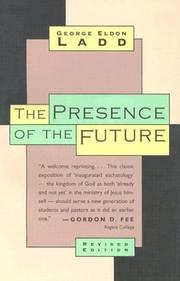
Ladd’s study of the Kingdom of God in the New Testament: already present in the person and work of Jesus, still awaiting its consummation.
Willard’s case that the Kingdom of the heavens is available to ordinary people now, and that discipleship to Jesus is the substance of the Christian life, not an optional extra.
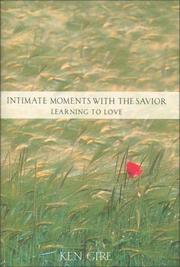
Gire walks through scenes from the life of Christ: the text, the scene retold, and a closing prayer.
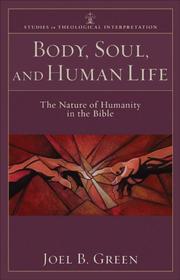
Green brings biblical studies and neuroscience together to argue that Scripture presents the human person as a unity, not a body with a separable soul inside.
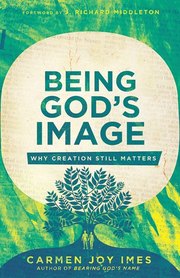
Imes traces the image of God through Scripture: being God’s image is humanity’s identity and vocation, not a capacity that can be lost.
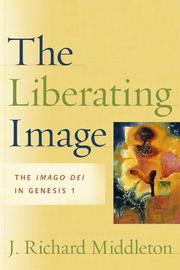
Middleton reads Genesis 1 against its ancient Near Eastern background: the image of God as the royal calling of every human being to represent God in the world.
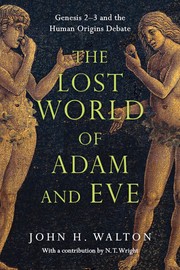
Walton reads Genesis 2-3 in its ancient context: the garden as sacred space, and Adam and Eve as archetypes of humanity’s priestly vocation.
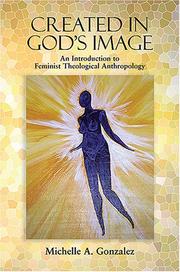
A survey of theological anthropology from the early church to feminist and Latin American theology, centered on what it means to be created in God’s image.
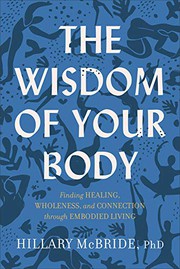
A therapist and researcher on embodiment: the body is not something you have but something you are, and healing means coming home to it.
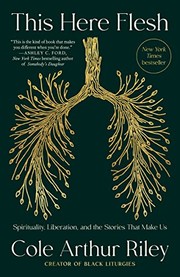
Riley’s essays on dignity, lament, rest and joy, told through three generations of her family’s stories: contemplative spirituality that stays in the body.
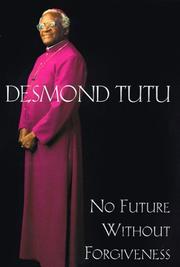
Tutu’s account of chairing South Africa’s Truth and Reconciliation Commission, and his case that forgiveness is the only path a wounded people can walk into the future.
Brueggemann on the prophetic task: to criticize the dominant culture and to energize God’s people with an alternative imagination.